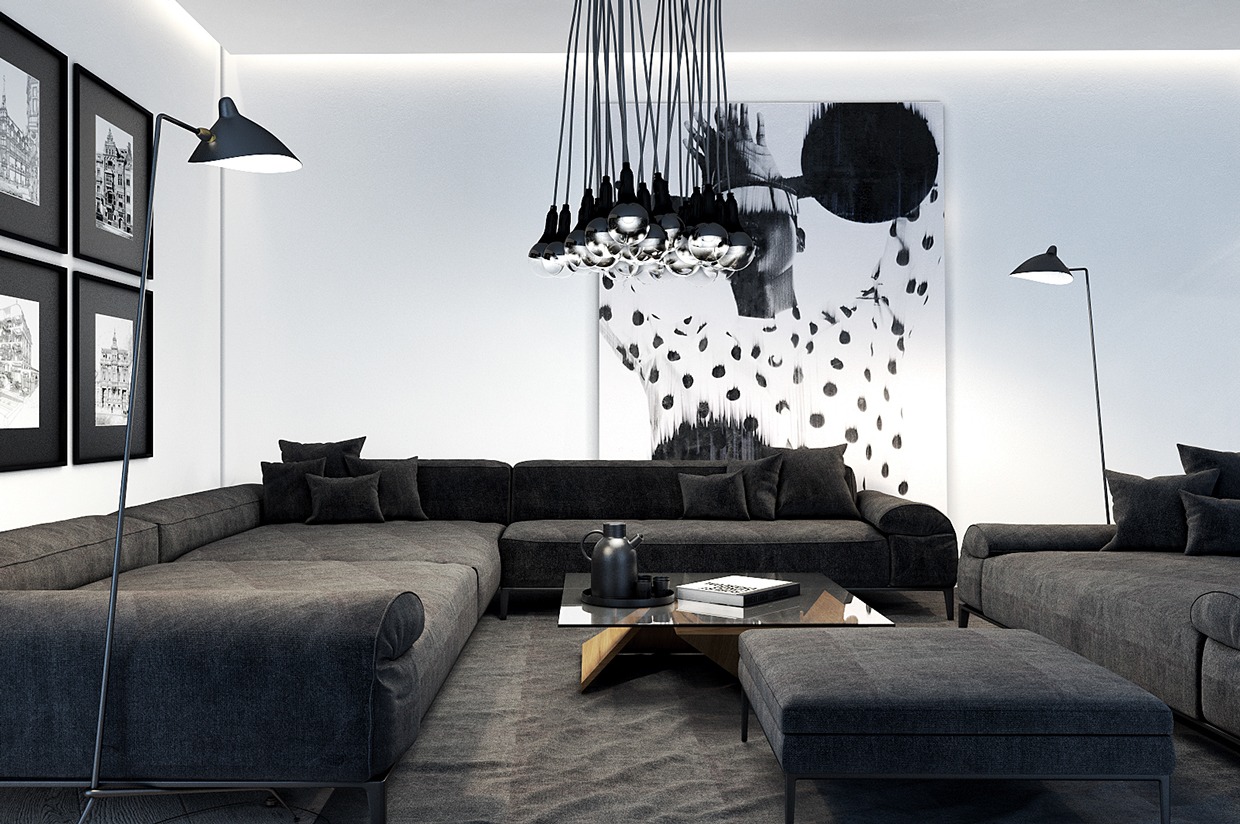
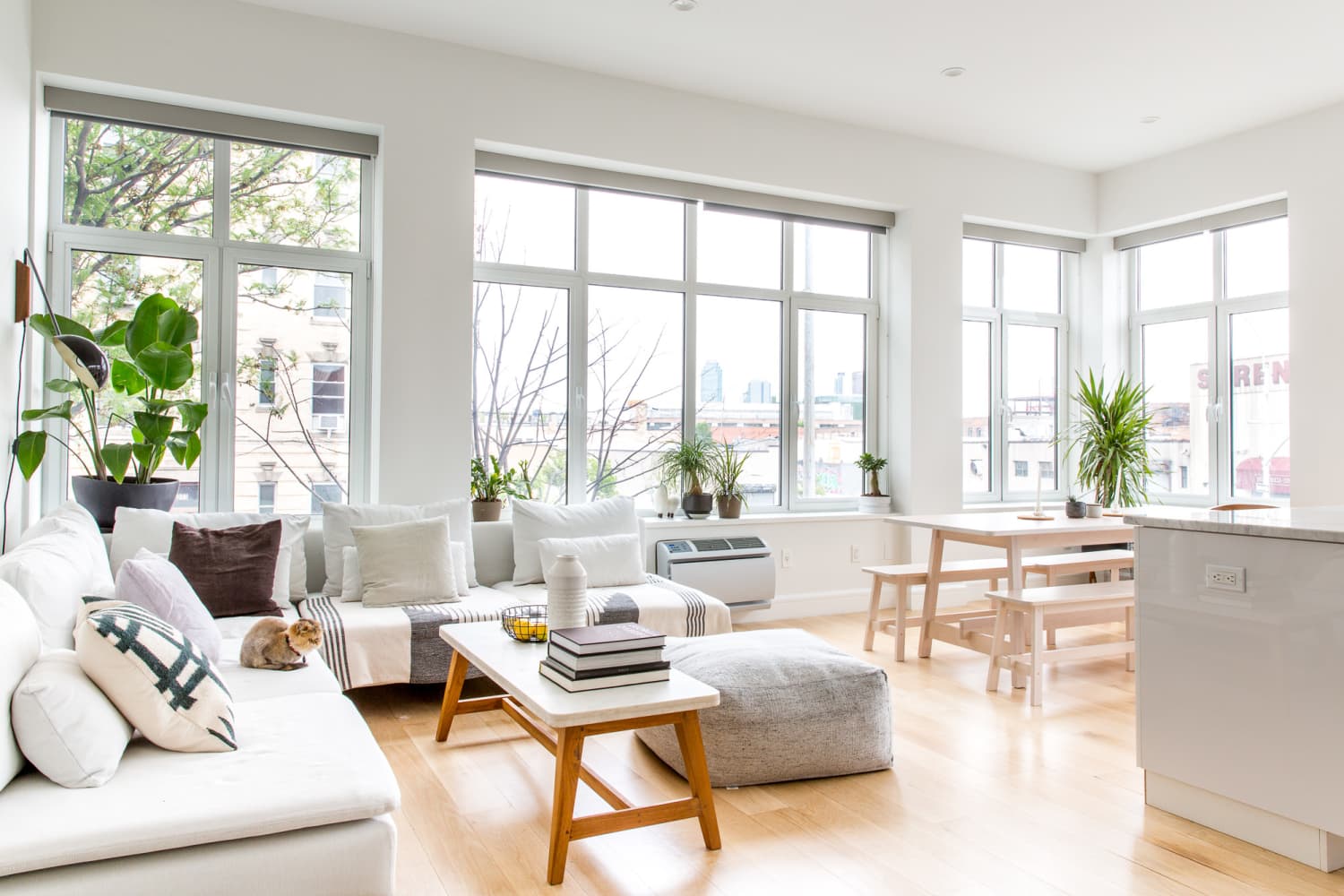

Tiny Rooms, Big Home Lighting Impact In compact quarters, lighting is the covert architect of spaciousness. When ceilings lean low and walls seem to close in, an intelligent illumination strategy can conjure expansiveness where there is none. Embrace tiny rooms big home lighting solutions and watch as limited square footage feels boundless, buoyant, and beautifully luminous.
The Psychology of Light in Petite Spaces
Light wields power over perception. In a snug studio or a diminutive powder room, shadows can feel oppressive. Conversely, judiciously placed luminance banishes gloom and nurtures “visual breathing room.”
Short bursts of brightness punctuate the psyche. Extended glows unravel tension. Both are essential when orchestrating tiny rooms big home lighting transformations.
- Spatial Expansion: Diffuse light blurs edges, making walls recede.
- Mood Modulation: Warm amber invites coziness; cool whites energize concentration.
- Depth Creation: Accent beams carve layers of light and shadow—chiaroscuro in miniature.
Understanding these psychological nuances is the first step toward metamorphosing cramped corners into airy alcoves.
H2: Layered Luminescence: The Triad of Lighting
Three layers form the triumvirate of design luminosity:
- Ambient Layer
The foundational glow that banishes darkness and unifies the room. - Task Layer
Pinpoint illumination for reading, cooking, or applying makeup. - Accent Layer
Focused highlights that celebrate art, architectural details, or botanical accents.
Each stratum plays a vital role in crafting tiny rooms big home lighting schemes that feel both functional and phenomenally spacious.
H2: Ambient Lighting Techniques for Compact Quarters
Ambient light sets the tonal stage. In tight rooms, the goal is to deliver even, albeit soft, illumination.
H3: Recessed and Flush-Mount Fixtures
Slim-profile downlights—or flush-mount LED panels—eliminate dangling pendants that steal precious vertical space. They install close to the ceiling, preserving headroom while infusing the room with uniform luminosity.
H3: Cove and Cove Alternatives
Architectural coves may be out of reach in a retrofit. Instead, hide LED tape behind moldings or shelving. The concealed glow washes the ceiling in a tender effulgence, tricking the eye into perceiving added height.
H3: Frosted Glass and Fabric Diffusers
Opt for fixtures with frosted glass domes or fabric shades. These materials scatter light broadly, minimizing harsh shadows and creating a gentle, omnidirectional glow—essential when maximizing every square inch.
H2: Task Lighting: Precision in Petite Areas
Task lighting delivers targeted beams where activity demands clarity.
H3: Under-Shelf and Under-Cabinet Strips
In micro-kitchens or alcove desks, slim LED strips beneath cabinets or shelves cast direct light onto work surfaces. They require minimal depth and can often be battery-operated or USB-powered—no electrician needed.
H3: Articulating Wall Lamps
Swing-arm sconces mount to walls, freeing tabletop and floor footprints. Their adjustable arms direct light exactly where needed—ideal for reading in a tiny nook or illuminating a compact vanity.
H3: Clip-On and Clamp Lamps
These portable luminaries clamp onto bookcases, headboards, or floating desks. Their versatility allows repositioning as tasks shift, embodying the essence of tiny rooms big home lighting adaptability.
H2: Accent Lighting: Sculpting Depth and Drama
Accent light highlights focal points and carves textural intrigue.
H3: Picture Lights and Mini-Spotlights
Tiny rooms benefit from scaled-down accent fixtures. Picture lights above art or micro-spotlights aimed at architectural niches generate visual layers without overwhelming the space.
H3: Floor-Level Grazers
Low-mounted uplights or in-floor well lights project beams across textured walls—brick, plaster, or wooden slats. The resulting长 shadows create an illusion of depth, making walls feel farther apart than they really are.
H3: Mirror-Integrated Illumination
Vanity mirrors edged with LED halos or backlit frames amplify reflection. Mirrors themselves become secondary light sources, doubling both brightness and apparent dimensions.
H2: Color Temperature and CRI: The Technical Pillars
Selecting the right light quality is paramount.
- Color Temperature (Kelvin)
- 2700K–3000K (Warm): Creates an intimate, enveloping embrace.
- 3000K–3500K (Neutral): Strikes balance between warmth and clarity.
- 4000K–5000K (Cool): Sharpens detail—ideal for tasks in micro-studios.
- Color Rendering Index (CRI)
Aim for a CRI above 90. High-CRI bulbs reveal colors authentically, crucial in small dressing areas or display shelves, where every hue contributes to perceived spaciousness.
Harmonizing temperature and rendering quality underpins every tiny rooms big home lighting endeavor, ensuring both form and function.
H2: Strategic Fixture Placement
Placement is as crucial as fixture type. Precision positioning elevates performance.
H3: Corners and Junctions
Illuminate corners with recessed uplights. These fixtures wash two converging walls, softening the right angle and making the room feel less boxy.
H3: Vertical Light Bands
Install vertical LED bars flanking doorways or windows. These glowing lines draw the eye upward, creating a subtle sense of elevation.
H3: Layered Ceiling Treatments
Combine a central ambient fixture with perimeter cove lighting. The interplay of direct and indirect light lends ceilings a sculpted appearance that belies the room’s modest scale.
H2: Smart Controls: Amplifying Impact
Technology affords granular control in intimate settings.
- Dimmers
Adjust ambient layers to suit time of day or mood, from radiant wakefulness to soft twilight. - Motion Sensors
Activate night lights or closet lamps only when movement is detected, reducing fixture clutter and energy consumption. - App and Voice Control
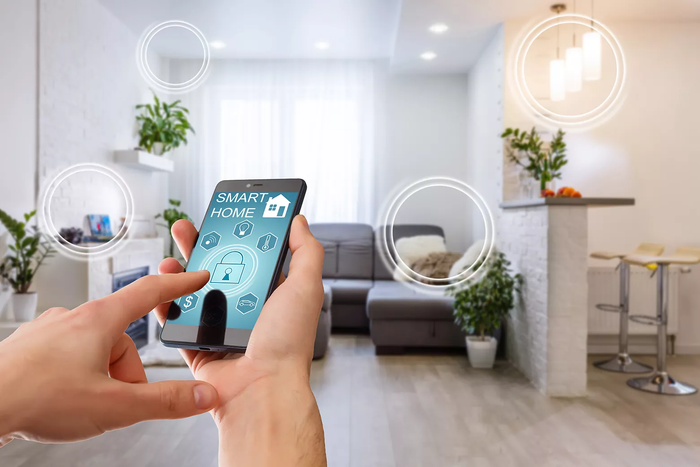
Manage all lighting layers via smartphone or voice assistant—no need to navigate cramped switch banks.
Smart integration embodies the agility essential to tiny rooms big home lighting strategies, optimizing light use in real time.
H2: Reflective Surfaces and Materials
Mirrors are not the only reflectors. Creative surfaces magnify light.
- High-Gloss Finishes
Lacquered cabinets, polished stone, and glossy tiles bounce light widely. - Metallized Wallpapers
Subtle metallic motifs reflect subtle glints, adding a sense of luxury and spatial depth. - Glass and Acrylic Furniture
Transparent tables and shelves allow light to pass through, avoiding visual obstruction and keeping the eye moving freely.
These reflective elements collaborate with lighting layers to expand perceptual boundaries.
H2: Color and Décor Synergy
Decor choices influence how light behaves.
- Light-Colored Walls
White, pale grays, and soft pastels maximize reflectance. - Strategic Accents
Dark accent walls can serve as theatrical backdrops for spotlighting, creating zones of intrigue within compact rooms. - Textural Contrast
Pair smooth, reflective surfaces with matte, absorbent textiles—rugs, curtains—to prevent glare and control diffusion.
Coordinating color and materiality ensures that tiny rooms big home lighting achieves its maximum effect.
H2: DIY Hacks for Petite Spaces
Handcrafted solutions inject personality while maximizing efficiency.
- Attach single Edison-style LED bulbs to jar lids.
- Suspend clusters at various heights over a nook.
- The gentle glow and bespoke charm create warmth without bulk.
- Adhere rope lights behind shallow shelving or crown moldings.
- A barely-there cable yields a continuous, diffuse wash that floats above head height.
H3: Upcycled Metallic Trays as Reflectors
- Position silver or copper trays behind table lamps.
- The reflective surface amplifies output, doubling lumens with no additional fixtures.
These ingenious tweaks exemplify the spirit of tiny rooms big home lighting—maximizing impact with minimal resources.
H2: Furniture-Integrated Illumination
Innovative furnishings merge form with function.
- LED-Backed Shelves: Bookshelves with integrated strips showcase collections while serving as ambient sources.
- Lighted Headboards: Bed frames with built-in luminaires offer reading light and ambient glow without bedside clutter.
- Illuminated Mirrors: Wall-mounted mirrors framing LED panels become focal pieces that simultaneously enhance visibility and room size.
These multipurpose designs free floor space and streamline electrical needs, crucial in compact floor plans.
H2: Seasonal and Event-Driven Transformations
Adapt lighting schemes to the calendar.
- Spring Freshness: Swap bulbs for cooler 4000K tones to match nature’s renewal. Introduce pastel gel filters for a garden-like palette.
- Summer Evenings: Emphasize under-counter cove lights and string micro-LEDs across small balconies for al fresco charm.
- Autumnal Warmth: Shift to 2700K–3000K bulbs and cluster warm fairy lights to evoke harvest coziness.
- Winter Glow: Incorporate flickering LED candles and timed uplights to banish solstice gloom.
Seasonal adjustments keep tiny rooms big home lighting schemes fresh and responsive to festive moods.
H2: Outdoor Micro-Spaces
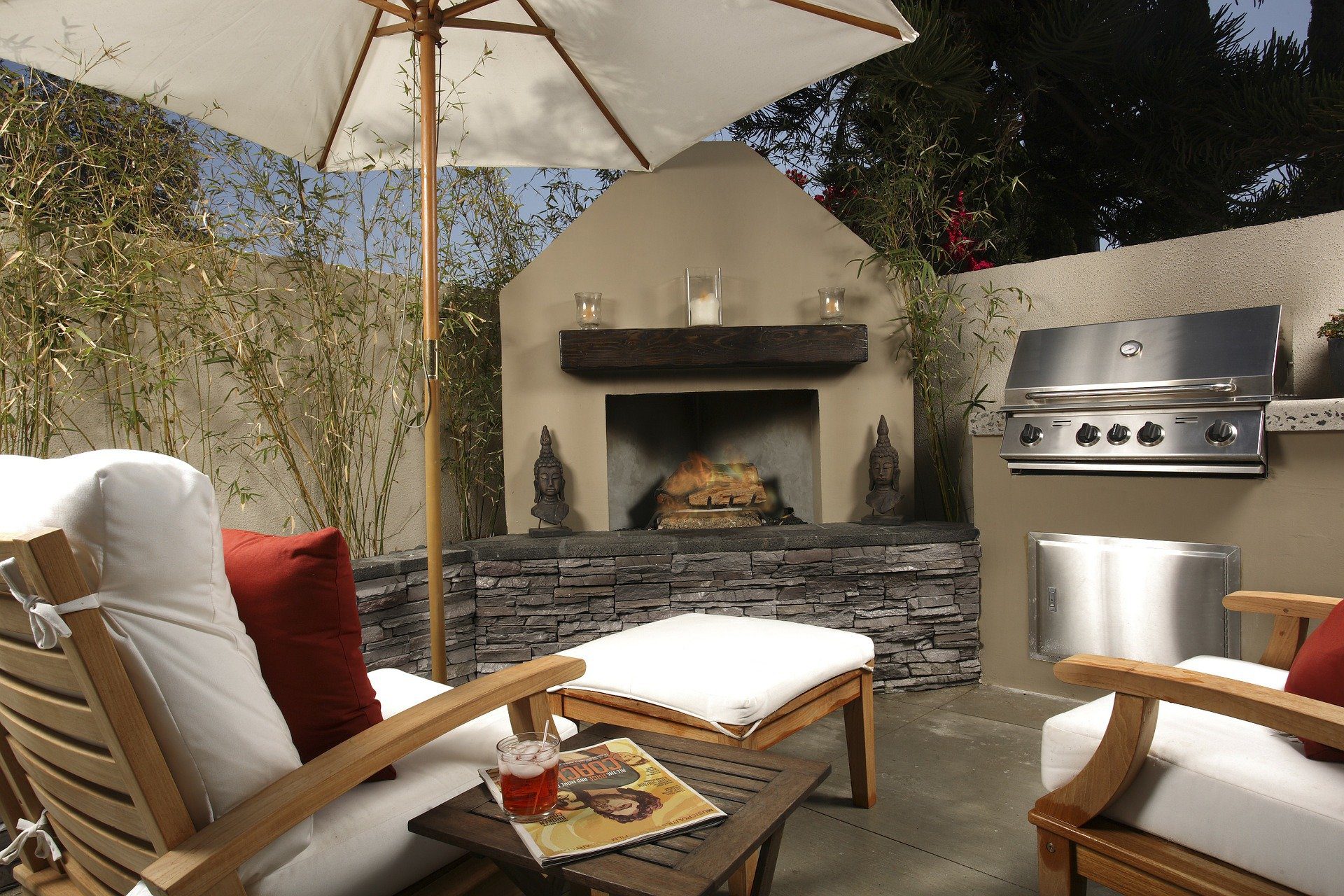
Even a petite patio or balcony can shine.
- Mini Bollard Lights: Low-level posts that cast downward pools of light—ideal for container gardens.
- Solar-Powered String Lights: Weatherproof, wireless strands draped overhead create intimate ambience.
- Wall-Mounted LED Spots: Compact fixtures illuminate vertical planters or art pieces on exterior walls.
With thoughtful layering, outdoor nooks rival their interior counterparts in charm and functionality.
H2: Maintenance and Longevity
Consistent care preserves brilliance.
- Dusting Rituals: Wipe fixtures and bulbs monthly to prevent lumen loss.
- Bulb Rotation: In multi-lamp arrays, swap bulbs periodically to even out aging and color shifts.
- Software Updates: For smart drivers and hubs, install updates to ensure optimal performance and security.
Routine maintenance safeguards the returns on your tiny rooms big home lighting investments.
H2: Budget-Friendly Brilliance
Smart illumination need not be extravagant.
- Incremental Layering
Implement one layer at a time—ambient first, then task, then accent—to spread costs. - High-Low Pairing
Invest in a statement fixture above, and supplement with affordable LED strips, puck lights, or thrifted sconces. - Seasonal Sales and Rebates
Leverage utility rebates for ENERGY STAR® bulbs and smart controls. Shop off-season for deep discounts on fixtures.
A disciplined approach ensures that impactful tiny rooms big home lighting remains financially feasible.
H2: Final Bright Reflections
In the realms of small dwellings, light is the most transformative design element. Through strategic layering, precise placement, and creative resourcefulness, diminutive rooms can exude grandeur and glow. By embracing tiny rooms big home lighting methodologies—layered ambient, task, and accent layers; color and reflectance mastery; and judicious use of technology—every nook becomes a luminous haven. Illuminate with intention, and witness how even the most compact spaces can burst with radiant possibility.