
Start Strong with Home Security Basics In the grand tapestry of homeownership, securing your sanctuary is an essential thread. Before diving into the labyrinth of cutting-edge technology and advanced security protocols, it’s imperative to start strong with home security basics. Mastering these foundational elements not only fortifies your home but establishes a resilient framework upon which more sophisticated measures can be built.
Every homeowner desires that unwavering sense of safety, where the mere thought of threats fades beneath the assurance that their abode is protected. Yet, the journey to this confidence begins not with complexity, but with simple, pragmatic steps that anyone can implement—regardless of budget or technical prowess.

The Pillars of Home Security: A Starting Point
Home security is a multifaceted endeavor, but the fundamentals remain constant. These principles embody a philosophy: prevention is preferable to reaction. They’re about outwitting potential intruders, bolstering weak points, and cultivating vigilance.
Understand Your Vulnerabilities
Before you can effectively protect your home, you must understand what you are protecting against. An honest assessment of entry points, lighting, visibility, and your neighborhood’s unique challenges is crucial.
Windows, doors, and garages are typically the Achilles’ heel of home security. Yet, without knowledge of their current state—how secure or exposed they are—you cannot build robust defenses. This is where you start strong with home security basics: by mapping your home’s vulnerabilities, you set the stage for targeted improvements.
Securing Entryways: Doors and Windows
Doors are the gateways to your castle, and not all are created equal. Reinforced doors crafted from solid wood or metal offer superior resistance compared to hollow-core doors, which can be compromised with forceful kicks or prying.
Consider installing deadbolt locks with a minimum one-inch throw bolt. These locks are often your first and most visible line of defense. A simple yet overlooked aspect is the door frame itself; it should be sturdy enough to withstand forced entry attempts. Reinforcement kits, which include strike plates and longer screws, are inexpensive and immensely effective.
Windows, while offering natural light and ventilation, can pose significant risks. Installing window locks or security bars can thwart surreptitious entry. For a modern twist, applying shatter-resistant security film not only preserves aesthetics but also dramatically increases the effort required to breach glass surfaces.
Lighting the Way: The Power of Visibility
Light is a formidable deterrent. Criminals prefer darkness—it shrouds their movements and offers concealment. A home bathed in light is a home that says, “I’m awake and alert.”
Outdoor lighting should be thoughtfully placed to illuminate pathways, entrances, and potential hiding spots. Motion-activated lights are excellent choices, as they conserve energy and provide sudden illumination that can startle intruders.
Keep in mind, strategic lighting doesn’t mean blasting your property with harsh glare. Instead, aim for soft, well-distributed illumination that enhances visibility without overwhelming the senses or neighbors.
Alarm Systems: More Than Just Noise
An alarm system is the loudspeaker of your security strategy. Its piercing siren not only alerts residents but also draws neighbors’ attention and often prompts rapid responses.
Modern alarm kits can be incredibly affordable and customizable. Basic systems come with door and window sensors, motion detectors, and loud sirens that can be easily installed without professional help.
The psychological impact of an alarm system is profound. Intruders confronted with a blaring alarm are statistically more likely to abandon their efforts quickly. This underscores why to start strong with home security basics, investing in at least a rudimentary alarm system is non-negotiable.
Neighborhood Awareness and Behavioral Strategies
Home security extends beyond the physical boundaries of your property. An informed, attentive community forms a protective web that deters crime.
Cultivate Neighborhood Connections
Getting to know your neighbors and fostering a culture of watchfulness is a cost-free but powerful defense. Neighbors who watch out for one another create an environment where suspicious activity stands out conspicuously.
Neighborhood watch groups, whether formal or informal, encourage communication and rapid sharing of information regarding potential threats. Today’s digital era also offers platforms and apps for hyper-local crime alerts, making it easier than ever to stay informed.
Simple Behavioral Habits That Fortify Security
How you live inside and around your home can influence your safety. Small habits compound into a secure lifestyle.
- Always lock doors and windows—even if stepping out briefly.
- Don’t hide spare keys in obvious places like under doormats or flower pots. Instead, entrust them to trusted neighbors or use secure lockboxes.
- Avoid announcing vacations or extended absences publicly on social media.
- Keep landscaping well-trimmed near entrances and pathways to eliminate hiding spots.
Each of these practices is a building block in the architecture of safety, reminding us that starting strong with home security basics isn’t just about equipment—it’s about mindset.
Embracing Technology Without Overcomplication
While the fundamentals are irreplaceable, integrating technology can amplify your home’s defenses without complicating your life.
Smart Locks and Keyless Entry
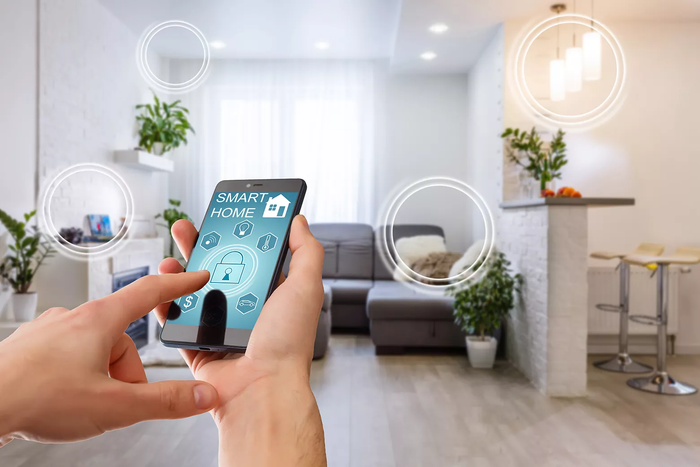
Replacing traditional locks with smart locks offers convenience and enhanced control. Many models allow you to grant temporary access to guests, monitor who enters and when, and eliminate the risk of lost keys.
While these systems can seem daunting, numerous user-friendly options require minimal installation. For those wanting to dip their toes into tech without overwhelming themselves, smart locks embody a perfect fusion of innovation and simplicity.
Security Cameras: Eyes on the Prize
The visual confirmation that security cameras provide is invaluable. Affordable, wireless cameras with night vision and motion detection can be positioned strategically at entry points.
Integration with mobile devices allows homeowners to receive instant alerts and monitor footage remotely. This real-time awareness elevates home security from reactive to proactive.
Interconnected Systems: Creating a Security Ecosystem
Modern security devices often operate within interconnected ecosystems. For example, a smart camera can trigger motion-activated lights or initiate an alarm when detecting movement.
Starting with a few well-chosen devices that communicate with each other provides a scalable path. It ensures your home security system grows as your confidence and needs evolve.
Fortifying the Perimeter: Gates, Fences, and Landscaping
A strong perimeter is the first line of defense. It shapes the physical and psychological barrier between your private space and the outside world.
Fences and Gates: Not Just Decorative
A fence that’s both aesthetically pleasing and functional helps define boundaries. Materials like wrought iron or tall wooden panels provide privacy and increase the difficulty of unauthorized entry.
Gates should have secure locking mechanisms and, ideally, be integrated with your alarm system or video monitoring. Automatic gates add an additional layer of control, ensuring only authorized individuals gain access.
Landscaping as Security
Beyond beauty, landscaping can be strategic. Thorny bushes under windows deter attempts to gain entry. Tall hedges or trees can shield windows, but must be balanced against reducing visibility.
Low shrubs and well-lit paths increase sightlines and make it easier to spot intruders. Incorporating gravel or stone pathways can amplify auditory detection, as footsteps become harder to mask.
Emergency Preparedness: Ready for the Unexpected
Robust home security acknowledges that no system is infallible. Preparing for emergencies completes the picture.
Fire Safety Measures
Smoke detectors, fire extinguishers, and clear evacuation routes are non-negotiable. Regularly check detectors and replace batteries twice a year. Keep extinguishers accessible and ensure all household members know how to use them.
Safe Rooms and Secure Storage
For those wanting extra peace of mind, designating a safe room—a fortified area with communication devices—can provide refuge during emergencies.
Similarly, investing in a secure, fireproof safe protects valuables and important documents. This adds an additional layer beyond perimeter defenses.
Backup Power and Communication
Power outages can render electronic security systems ineffective. Battery backups or uninterruptible power supplies (UPS) ensure continuous operation during outages.
Maintaining multiple communication channels—mobile phones, landlines, and emergency radios—ensures you remain connected when seconds matter most.
Routine Maintenance and Continuous Improvement
Security is not a set-it-and-forget-it endeavor. Regular inspection and updates are vital.
Scheduled Security Audits
Every few months, reassess your home security measures. Test alarms, check locks, inspect camera angles, and update software for smart devices.
Learn and Adapt
Stay informed about emerging threats and new security products. What works today might need refinement tomorrow.
By embracing a philosophy of continuous vigilance, you uphold the integrity of your defenses and truly start strong with home security basics.
Conclusion: Foundations That Last
The journey to a secure home begins with a commitment to the fundamentals. These initial steps are far from mundane—they are empowering, effective, and essential.
By comprehensively securing entry points, illuminating your surroundings, utilizing alarm systems, fostering community, integrating technology wisely, fortifying perimeters, preparing for emergencies, and maintaining your system, you weave an unbreakable fabric of protection.
This is how you start strong with home security basics—with intention, clarity, and a cheerful readiness to embrace safety as a cornerstone of comfort and happiness. Your home is your fortress, and every strong fortress begins with solid foundations.