
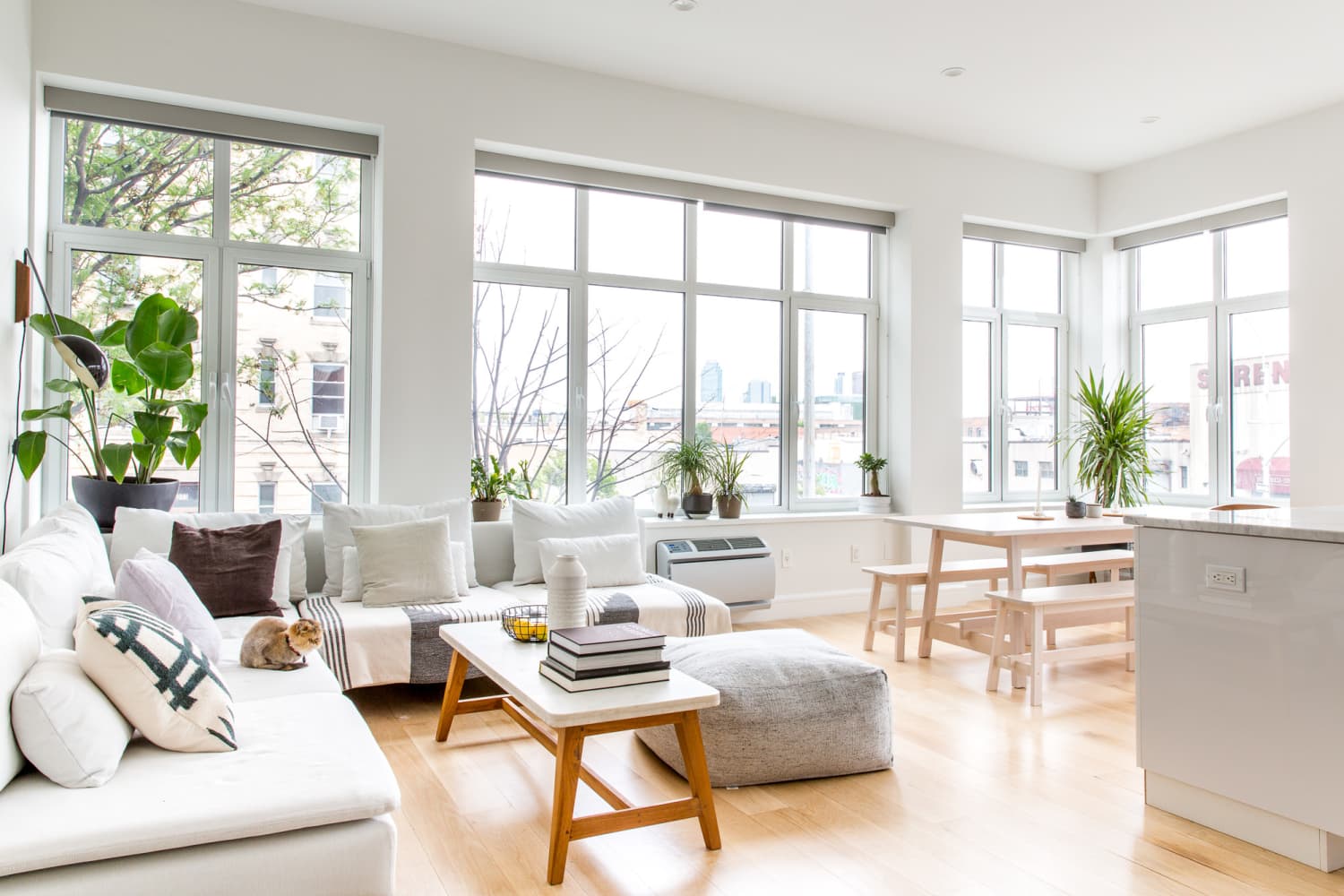



Choosing a condominium involves more than aesthetic appeal or immediate convenience—it requires understanding how the property aligns with either owner-occupier priorities or long-term living goals. These two perspectives shape decision-making in urban residential markets, influencing unit selection, floor plan evaluation, and investment in shared facilities.
Owner-Occupier Priorities
Owner-occupiers prioritize immediate comfort, functionality, and suitability for their household’s lifestyle. For these buyers, the layout, room sizes, and practical features of a condominium are critical. Open-plan living spaces, ample storage, and strategically placed bedrooms can significantly impact daily living quality.
A development like Lentor Gardens Residences illustrates how floor plans are designed with owner-occupiers in mind, offering intuitive space arrangements and practical room divisions. Accessibility to daily amenities, transport links, and social facilities also plays a central role, allowing residents to integrate work, family, and leisure efficiently.
Owner-occupiers often focus on features that enhance personal convenience: well-positioned kitchens, effective ventilation, natural lighting, and private outdoor spaces. These considerations ensure that their residence meets immediate needs without requiring adaptation or compromise.
Long-Term Living Considerations
Buyers focused on long-term living adopt a forward-looking approach. They evaluate a property’s adaptability over years or even decades, considering potential lifestyle changes such as family growth, aging in place, or home office integration. Flexibility in unit layout and shared facilities is key for long-term usability.
For example, Lentor Gardens Residences demonstrates designs that accommodate evolving needs. Multi-purpose rooms, convertible layouts, and scalable communal amenities allow residents to adjust their living space in response to life changes without major renovation.
Evaluating Layout Flexibility
For both owner-occupiers and long-term residents, spatial flexibility is essential. Owner-occupiers may value the immediate convenience of clearly defined zones for social and private areas. Long-term buyers, however, prioritize adaptable spaces capable of handling future modifications, such as adding a study, home office, or additional bedroom.
Modern developments anticipate these needs with modular design concepts. By analyzing unit layouts and circulation flow, buyers can assess whether a condominium supports both current and future lifestyle requirements. Properties like Lentor Gardens Residences exemplify this dual focus, balancing functional immediacy with future adaptability.
Shared Facilities and Community Planning
The importance of shared facilities differs slightly between perspectives. Owner-occupiers often seek immediate access to conveniences such as gyms, playgrounds, or lounges that integrate seamlessly into daily routines. Long-term residents, on the other hand, evaluate the sustainability and scalability of these communal spaces, ensuring they remain functional as demographics and community use evolve.
Condominium projects that integrate facilities with thoughtful circulation and spatial planning enhance both perspectives. Residents enjoy amenities without compromising privacy or unit efficiency, ensuring lasting satisfaction.
Location and Long-Term Livability
Location evaluation is another factor where perspectives diverge. Owner-occupiers may prioritize proximity to current work, schools, and lifestyle amenities. Long-term residents consider projected urban growth, infrastructure development, and neighborhood stability, assessing whether the location will remain convenient and desirable over years.
Lentor Gardens Residences exemplifies a property that satisfies both approaches. Its strategic location provides immediate convenience while aligning with long-term urban planning, supporting enduring livability.
Making an Informed Choice
Understanding the differences between owner-occupier and long-term perspectives allows buyers to select a condominium aligned with both current and future priorities. Evaluating unit layouts, flexibility, shared facilities, and location helps ensure that the property serves as a comfortable home today and remains a viable, adaptable residence in the years to come.
Conclusion
Balancing the immediate needs of owner-occupiers with the foresight of long-term living is central to smart condominium selection. Thoughtful design, flexible layouts, and well-integrated community facilities define properties that can satisfy both perspectives.
Developments such as Lentor Gardens Residences and Lentor Gardens Residences exemplify how modern condominiums can meet these dual criteria, offering homes that are both practical today and adaptable for future lifestyles.