


Beginner Friendly Home Tool Guide Embarking on home improvement projects can feel like stepping into a labyrinth of confusing jargon, intimidating gadgets, and an endless array of tools. However, every expert was once a beginner, and the journey toward mastering home repairs starts with understanding the essentials. This beginner friendly home tool guide is designed to usher you into the vibrant world of DIY with clarity, enthusiasm, and practical wisdom.
Whether you’re tackling minor fixes or dreaming of more ambitious renovations, equipping yourself with the right knowledge and tools is crucial. Here, you’ll discover a comprehensive yet approachable roadmap to assembling your toolkit, mastering basic techniques, and developing habits that transform the overwhelming into the manageable.

Why Every Homeowner Needs a Beginner Friendly Home Tool Guide
Owning a home means embracing constant change — from fixing leaky faucets to assembling furniture, small tasks pop up regularly. Without a foundational understanding, these repairs can feel like insurmountable obstacles.
A beginner friendly home tool guide does more than list tools; it breaks down their purposes, demystifies their use, and empowers you to approach home maintenance with confidence. This reduces dependency on costly professional help and enhances your independence.
Moreover, cultivating basic handyman skills fosters a sense of accomplishment. Imagine the pride in repairing a creaky door hinge or mounting your own shelves flawlessly! This guide will illuminate the way to such rewarding experiences.
Building the Ideal Toolkit for Beginners
The cornerstone of your journey is a well-curated toolkit tailored for newcomers. Avoid the pitfall of purchasing a bulky, complicated set filled with rarely used gadgets. Instead, focus on a selection that offers versatility, simplicity, and reliability.
Essential Tools Every Beginner Should Own
- Claw Hammer: A universal staple, perfect for driving nails and removing them when needed. Its curved claw end doubles as a pry bar, handy for various tasks.
- Screwdriver Set: Both flathead and Phillips head screwdrivers come in multiple sizes. Investing in a magnetic screwdriver can ease work by securely holding screws.
- Tape Measure: Precision in measuring is non-negotiable. Opt for a 16-foot tape with clear markings for a range of projects.
- Adjustable Wrench: This adaptable tool fits multiple nut and bolt sizes, reducing the need for a full wrench set.
- Level: Ensures that your installations—be it pictures, shelves, or appliances—are perfectly horizontal or vertical.
- Utility Knife: Useful for cutting drywall, opening packages, or trimming materials.
- Pliers: Needle-nose pliers offer precise grip, while slip-joint pliers provide broader functionality.
- Cordless Drill: A powerful ally that simplifies drilling and fastening tasks. Choose one with adjustable speed settings for better control.
This toolkit, foundational yet robust, offers an excellent start. The beginner friendly home tool guide emphasizes investing in quality over quantity to avoid frustrations associated with flimsy or unreliable tools.
Understanding Tool Terminology: Demystifying the Basics
Navigating the jargon that accompanies home tools can be intimidating. Let’s break down some common terms that frequently appear in manuals, product descriptions, and tutorials.
- Torque: The rotational force applied by a tool, crucial in power drills.
- Clutch: A mechanism in drills that regulates torque, preventing over-tightening.
- Drive Size: Refers to the size of the tool’s bit or socket driver; common sizes are 1/4″, 3/8″, and 1/2″.
- Ergonomics: The design aspect focused on user comfort and efficiency.
- Chuck: The part of a drill that holds the drill bit in place.
- Ratchet: A tool mechanism allowing motion in one direction while preventing motion in the opposite direction.
Familiarity with these terms will enhance your ability to select, maintain, and operate your tools confidently, transforming the mystifying into the intuitive.
Practical Tips to Get Started
With your toolkit in hand and basic terminology understood, it’s time to dive into practical advice that will smooth your initiation into home repair.
Start Small and Simple
Begin with straightforward tasks such as hanging picture frames, tightening loose cabinet handles, or assembling flat-pack furniture. These exercises build dexterity, understanding, and confidence.
Safety First
Always prioritize safety. Wear protective eyewear and gloves when appropriate, and work in well-lit, ventilated spaces. Understanding each tool’s safety features—like locking mechanisms and safety switches—can prevent accidents.
Invest in Storage Solutions
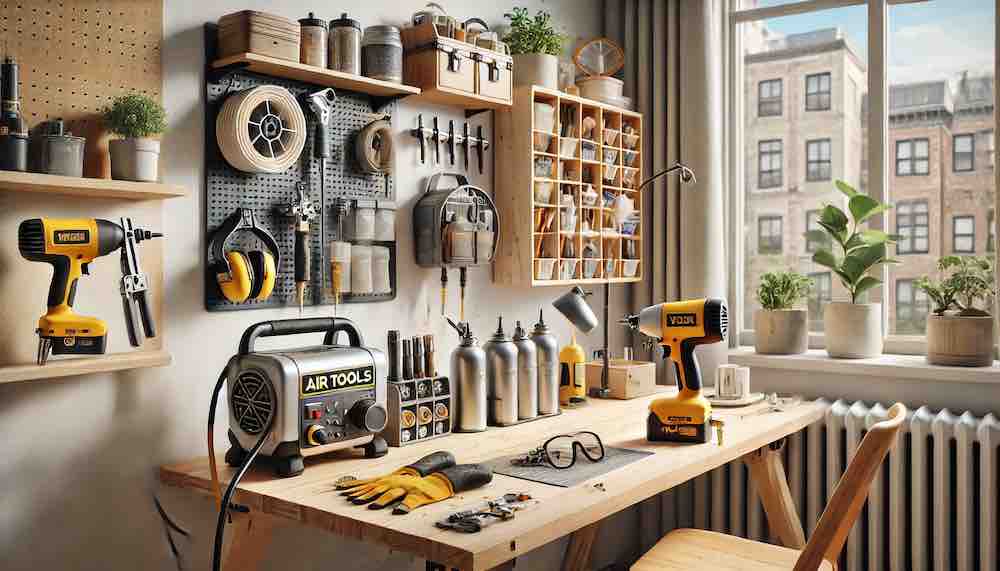
Organizing your tools prevents frustration and damage. Use wall-mounted pegboards, toolboxes with compartments, or portable organizers. Label your storage spaces for quick retrieval.
Watch Tutorials and Read Manuals
Digital content is a goldmine for beginners. Video tutorials visually demonstrate techniques and common pitfalls. Reading manuals acquaints you with tool specifications and manufacturer recommendations.
Practice Measuring and Marking
The adage “measure twice, cut once” is golden. Develop precision by practicing with your tape measure and marking tools to avoid costly errors.
Exploring Versatility with Multi-Function Tools
One way to maximize efficiency and reduce clutter is by choosing multi-function tools. For example, a multi-bit screwdriver can handle various screw types, while an oscillating tool can sand, cut, and scrape with interchangeable blades.
The beginner friendly home tool guide advocates for exploring these versatile instruments as you advance. Their adaptability makes them ideal for diverse projects, enhancing your toolkit’s practicality without overwhelming it.
Maintenance and Care of Your Tools
Tool longevity hinges on proper care. After each use, wipe down your tools to remove dirt and moisture. Store them in dry conditions to prevent rust and corrosion.
Regularly inspect your tools for wear or damage—replace worn drill bits or sharpen blades. Lubricate moving parts like hinges and ratchets to maintain smooth operation.
By practicing consistent maintenance, you uphold your investment and ensure peak performance.
Troubleshooting Common Beginner Challenges
Even the most prepared DIYer encounters obstacles. Here are solutions to typical problems:
- Stripped Screws: Use rubber bands for extra grip or switch to a screwdriver with better torque control.
- Stuck Nails: Employ the claw hammer gently or use pliers to grip and extract.
- Uneven Shelves: Utilize your level meticulously; adjust brackets or supports accordingly.
- Overdrilled Holes: Use wall anchors for better grip or fill and patch for cosmetic fixes.
Understanding how to troubleshoot builds resilience and deepens your home repair aptitude.
Enhancing Skills through Community Engagement
Joining local DIY clubs, attending workshops, or participating in online forums fosters knowledge exchange and encouragement. These communities offer support, share tips, and celebrate successes, making the learning process more enjoyable.
Mentorship opportunities may arise, where seasoned DIY enthusiasts guide newcomers, accelerating your growth.
Creating a Personalized Repair Journal
Document your projects, challenges, and solutions in a dedicated journal. Include notes on tools used, materials, and time taken. Over time, this becomes a personalized manual tailored to your home’s specific needs.
Reflecting on past projects enhances learning and offers motivation during complex tasks.
Expanding Your Toolkit Gradually
As your confidence grows, slowly introduce specialized tools like stud finders, pipe wrenches, or specialized saws. The beginner friendly home tool guide advises this incremental approach to prevent overwhelm and ensure mastery of foundational tools first.
Always evaluate the necessity of new tools based on your typical projects to avoid unnecessary purchases.
Embracing the Joy of DIY
Beyond utility, engaging with home repairs cultivates creativity, patience, and satisfaction. Transforming a broken fixture into a functional piece or customizing your space with DIY projects brings a unique sense of accomplishment.
Each successful repair reinforces your capabilities and inspires you to tackle new challenges. This journey, rooted in learning and hands-on experience, transforms your living space into a reflection of your ingenuity.
Conclusion: Your Path to Confident Home Tool Mastery
The beginner friendly home tool guide is not just a list—it’s a launchpad into a world where problems become projects and tools become extensions of your capability. By assembling the right toolkit, understanding essential concepts, practicing diligently, and embracing continual growth, you unlock the gratifying realm of home repair mastery.
This adventure enriches your living environment and builds a foundation for lifelong learning, independence, and joy in craftsmanship. Welcome to a world where every tool in your hand becomes a key to unlocking your home’s full potential.