


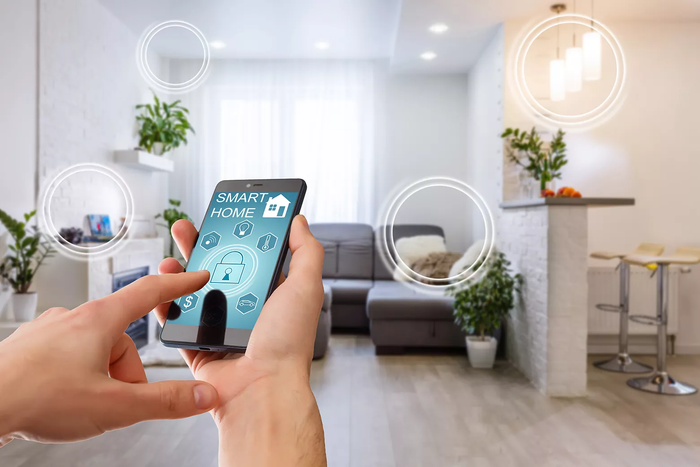
Why Home Security Matters More Now In an era marked by rapid urbanization, digital proliferation, and unprecedented global connectivity, the sanctity of our homes faces evolving threats. From physical break-ins to cyber intrusions, modern dwellings must contend with risks that transcend traditional notions of burglary. Understanding why home security matters is crucial—not only for protecting belongings, but for safeguarding the well-being, privacy, and peace of mind of everyone under our roofs.

The Shifting Landscape of Home Threats
The concept of home security once conjured images of sturdy locks and barking dogs. Today, it encompasses far more:
- Physical Intrusions: Opportunistic break-ins, targeted burglaries, vandalism.
- Cyber Vulnerabilities: Hacked cameras, compromised smart locks, IoT exploits.
- Environmental Hazards: Fires, floods, carbon monoxide leaks.
- Personal Safety Risks: Domestic emergencies, unauthorized entries, elder or child safety concerns.
This multifaceted threat matrix defines why home security matters now more than ever. A fractured window isn’t the only entry point—digital backdoors and environmental failures can be just as devastating.
Evolving Criminal Tactics
As technology advances, so do the methods of criminals:
- Smart Lock Bypass: Sophisticated techniques exploit Bluetooth or Wi-Fi vulnerabilities.
- Drone Surveillance: Intruders scout properties via aerial reconnaissance.
- Social Engineering: Fraudsters glean vacation schedules from social media posts.
- Deepfake Scams: Voice or video impersonations deceive homeowners or caregivers.
Understanding these novel tactics underscores why home security matters, urging homeowners to adopt layered, adaptive defenses rather than relying on single-point solutions.
The Psychological Imperative
Safety is not merely physical. A secure home fosters:
- Reduced Anxiety: Restful nights free from “what if” paranoia.
- Enhanced Focus: Peace of mind allows attention on work, family, and hobbies.
- Emotional Well-Being: Feeling protected underpins happiness and stability.
- Stronger Relationships: Trust within families grows when everyone feels safe.
When one comprehends why home security matters on a psychological level, investment in comprehensive measures ceases to be optional—it becomes essential.
Technological Integration: Smarter, Not Harder
Smart home ecosystems have revolutionized protection paradigms. Gone are the days of isolated gadgets; today’s systems are interconnected, intuitive, and automated.
1. Networked Surveillance
- Multi-Camera Setups: Panoramic coverage with AI-driven motion detection reduces false alarms.
- Edge Computing: Local processing empowers rapid threat identification without cloud dependency.
- Encrypted Feeds: Safeguard video streams against interception.
This networked vigilance exemplifies why home security matters: constant, intelligent monitoring that scales with property size.
2. Smart Access Control
- Biometric Locks: Fingerprint and facial recognition remove the vulnerability of lost keys.
- Geofencing Automation: Doors auto-lock when your smartphone exits a virtual perimeter.
- Temporary Passcodes: Grant time-limited access to service providers without sharing physical keys.
These innovations blend convenience with robust protection, highlighting why home security matters in the connected age.
3. Environmental Sensors
- Multi-Hazard Detectors: Integrated smoke, carbon monoxide, and gas leak alarms communicate instant alerts.
- Flood and Freeze Alerts: Early detection prevents water damage and costly repairs.
- Air-Quality Monitoring: VOC sensors notify of chemical hazards, safeguarding health.
Protecting against invisible threats reinforces why home security matters: safety encompasses more than intrusions.
The Role of Cybersecurity
As homes embrace IoT, defending the digital perimeter becomes a non-negotiable pillar of security.
- Network Segmentation: Isolate smart devices from personal computers to contain breaches.
- Firmware Hygiene: Automated updates patch vulnerabilities before exploitation.
- Strong Authentication: Unique, complex passwords and two-factor authentication shield device accounts.
- Encrypted Communication: VPNs and secure protocols ensure data privacy.
Recognizing why home security matters digitally prevents a breach in your Wi-Fi from cascading into physical vulnerabilities.
Community and Collaboration
Security thrives on collective vigilance. No home is an island:
- Neighborhood Watch Networks: Shared alert platforms facilitate rapid information exchange.
- Group Buy Programs: Bulk purchases of cameras or sensors at discounted rates.
- Shared Patrols: Coordinated evening rounds deter opportunistic prowlers.
- Community Drills: Joint emergency rehearsals reinforce preparedness.
Community strategies amplify individual efforts, demonstrating why home security matters not just for one household, but for entire neighborhoods.
Economic and Insurance Considerations
Investing in robust security systems often yields financial benefits:
- Insurance Discounts: Many providers reduce premiums for homes with verified security measures.
- Resale Value: Alarm systems and smart home integrations boost property desirability.
- Loss Prevention: Early detection averts costly theft or damage mitigation.
Understanding why home security matters includes recognizing its role as an economic asset and risk management tool.
Designing a Layered Defense
Effective protection unfolds in concentric circles, each layer addressing distinct threat vectors:
| Layer | Components | Objective |
|---|---|---|
| Perimeter Defense | Fences, gates, landscape lighting | Deter and detect initial approach |
| Access Control | Smart locks, keypads, biometric entry | Regulate entry and exit |
| Surveillance | Cameras, motion sensors, drone patrols | Monitor, record, and alert |
| Environmental | Smoke/CO detectors, leak sensors | Protect against non-criminal hazards |
| Digital Security | Firewalls, segmented networks, 2FA | Secure connected devices and data privacy |
| Human Protocols | Drills, family checklists, panic buttons | Ensure preparedness and rapid response |
This integrated strategy embodies why home security matters, ensuring no single gap compromises overall safety.
Practical Steps for Every Home
- Conduct a Security Audit: Identify weak points and high-risk zones.
- Prioritize Quick Wins: Install a smart lock, add motion-activated lights, and secure Wi-Fi.
- Expand Methodically: Introduce cameras, environmental sensors, and neighborhood networks.
- Automate Routines: Schedule locks, lights, and alerts to align with your lifestyle.
- Review Regularly: Test devices, update firmware, and reassess threats annually.
Simple yet systematic actions clarify why home security matters, turning awareness into tangible improvement.
The Future of Home Security
Emerging trends promise even more resilient sanctuaries:
- Predictive Analytics: Foresee suspicious patterns before they escalate.
- Quantum-Resistant Encryption: Safeguard data against next-generation decryption.
- Adaptive Camouflage: Dynamic sensors that blend seamlessly with home décor.
- Robotic Responders: Ground-based units that patrol and investigate autonomously.
Anticipating tomorrow’s innovations underscores why home security matters: it’s a dynamic field where staying ahead is the best defense.
Home security has evolved into a sophisticated tapestry of physical, digital, and human-centric measures. In understanding why home security matters—from thwarting advanced criminal tactics to safeguarding against environmental hazards and cyber threats—homeowners gain both the tools and the mindset to protect their sanctuaries. By adopting layered defenses, embracing technological advancements, and fostering community collaboration, every dwelling can become a resilient bulwark, ensuring safety and serenity for all who reside within.