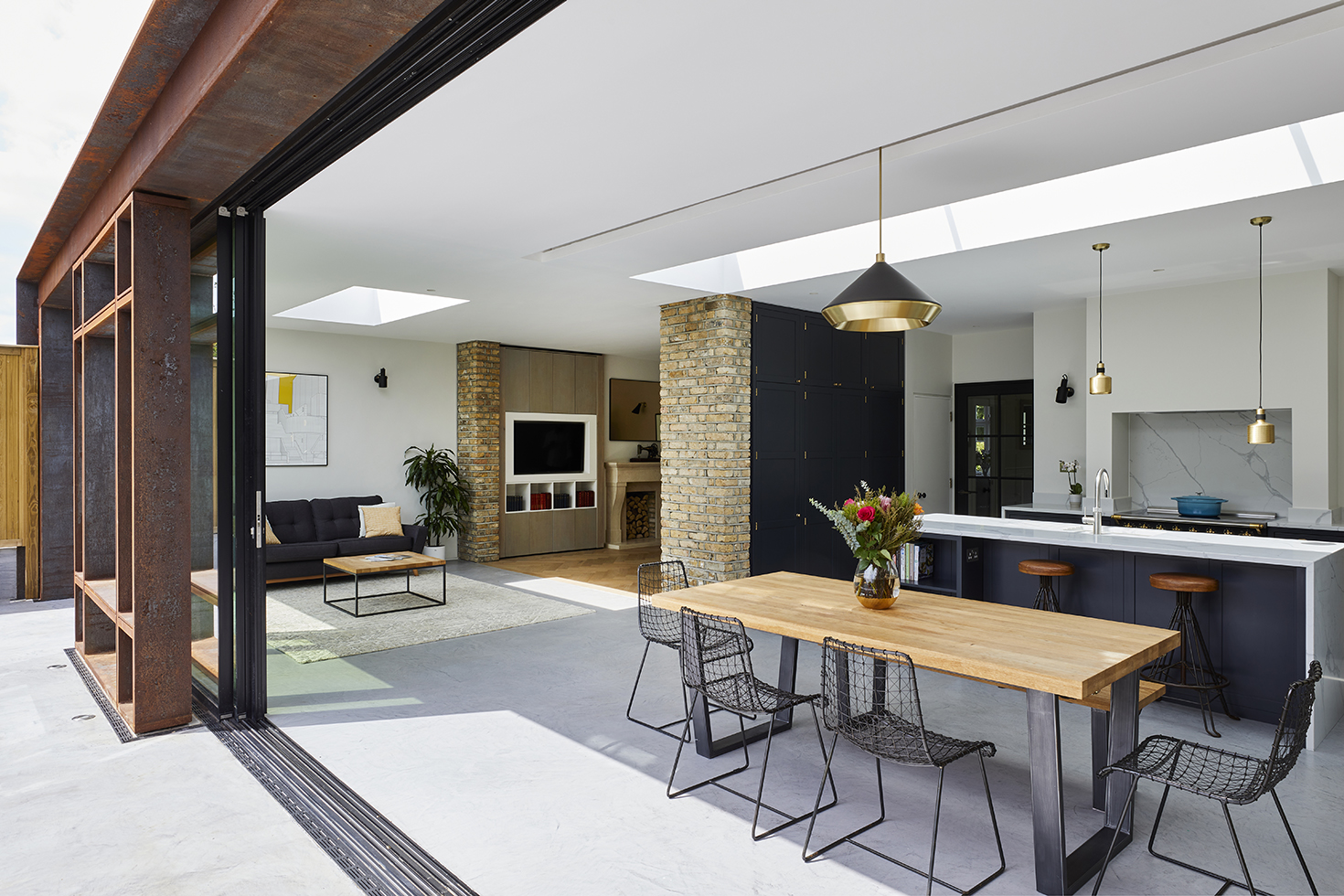

Home Lighting That Works for You Lighting shapes our perception of space. It influences mood, boosts productivity, and enhances well-being. Achieving the ideal setup requires more than simply flipping a switch. It demands a nuanced understanding of your lifestyle, spatial dynamics, and the interplay of light and shadow. This guide explores how home lighting works you by tailoring fixtures, layouts, and technologies to your unique needs.

The Psychology of Light
Light is emotional alchemy. Bright, cool hues sharpen concentration. Warm, diffused glows soothe the senses. Harsh glare can induce fatigue; gentle penumbra fosters calm. Recognizing these psychological effects is pivotal in crafting an environment that supports your routines and rituals.
- Circadian Rhythms: Mimic natural daylight cycles to regulate sleep patterns.
- Contrast and Clarity: High contrast in work zones enhances alertness.
- Comfort and Cosiness: Low-level ambient light cultivates relaxation.
Short sentences can prevent overwhelm. Longer ones unravel complexity. Both are essential for a well-lit home.
Assessing Your Needs
Begin by mapping daily activities. Which areas demand task-oriented brightness? Where is ambiance paramount? Consider:
- Task Zones: Desks, kitchen counters, and reading nooks require focused illumination.
- Social Spaces: Living rooms and dining areas benefit from adaptable, convivial lighting.
- Transitional Areas: Hallways and entryways need subtle guidance lighting.
An introspective audit reveals how home lighting works you in practice—rather than theory.
The Triad of Lighting: Ambient, Task, Accent
A harmonious scheme hinges on three layers:
Ambient Lighting
The foundational glow that saturates a room. Overhead fixtures, recessed cans, and cove lighting establish uniformity. Choose dimmable sources to fluidly adjust brightness throughout the day.
Task Lighting
Directed beams aimed at specific activities. Under-cabinet LEDs in the kitchen, adjustable desk lamps in the study, and swing-arm sconces by the bed all enhance precision and reduce eye strain.
Accent Lighting
Decorative accents spotlight art, architectural features, or verdant flora. Wall grazers, mini-spotlights, and in-floor uplights sculpt depth and drama.
Together, these layers demonstrate how home lighting works you through orchestrated interplay.
Color Temperature and CRI: The Technical Essentials
Two metrics define light quality:
- Color Temperature (Kelvin):
- 2200K–2700K for warm, intimate spaces.
- 3000K–3500K for balanced, everyday environments.
- 4000K–5000K for crisp, task-focused areas.
- Color Rendering Index (CRI):
- Values above 90 ensure accurate color perception.
- Essential in kitchens, bathrooms, and art studios.
Optimal metrics vary by function. A one-size-fits-all approach undermines the principle of home lighting works you.
Fixture Selection: Form Meets Function
Choosing luminaires involves both aesthetics and ergonomics. Consider:
- Recessed Downlights: Clean lines, unobtrusive presence. Ideal for low ceilings and minimalist interiors.
- Pendant Lights: Sculptural statements over islands and dining tables.
- Track Systems: Versatile, relocatable lights for evolving spaces.
- Wall Sconces: Decorative yet functional, defining vertical planes.
- Floor Lamps: Portable beacons that punctuate corners with style.
Select fixtures that resonate with your décor while serving practical imperatives.
Smart Lighting: Automation and Adaptability
Modern homes thrive on intelligent luminaires. Smart bulbs and networks allow:
- Scene Programming: “Breakfast Glow,” “Work Focus,” “Movie Night.”
- Circadian Sync: Automated shifts from cool morning light to warm evening tones.
- Voice and App Control: Effortless adjustments without hunting for switches.
- Motion Sensors: Hands-free activation in corridors and closets.
Integrating smart systems exemplifies how home lighting works you, anticipating your desires before you articulate them.
Energy Efficiency and Sustainability
Sustainable lighting conserves resources and reduces costs. Key strategies include:
- LED Technology: Up to 90% more efficient than incandescent bulbs.
- Daylight Harvesting: Sensors that dim artificial lighting when natural light suffices.
- Solar Augmentation: Outdoor fixtures powered by photovoltaic modules.
- Recycled Materials: Fixtures crafted from reclaimed metals and plastics.
A conscientious approach aligns ecological responsibility with luminous comfort.
Zoning and Control Strategies
Large rooms benefit from zoned circuits. Divide spaces into distinct lighting realms:
- Zoning by Function: Separate switches for task zones and ambient fixtures.
- Dimming Controls: Enable gradual transitions between brightness levels.
- Wireless Remotes: Centralized control panels for multiple zones.
Such granularity ensures that home lighting works you in every corner.
The Role of Reflectance and Surfaces
Walls, ceilings, and furnishings influence light distribution:
- High-Reflectance Paints: Amplify ambient glow.
- Mirrors and Glossy Finishes: Bounce light into dark recesses.
- Textured Surfaces: Create chiaroscuro effects that highlight depth.
Thoughtful surface selection maximizes fixture efficacy.
Personalized Lighting Plans
No two homes—or inhabitants—are identical. Craft bespoke blueprints that consider:
- User Height and Sightlines
- Furniture Placement
- Architectural Features
- Lifestyle Rhythms
Custom plans illustrate precisely how home lighting works you, rather than imposing generic templates.
Seasonal Adjustments
Light requirements shift with the seasons:
- Winter: Longer evenings necessitate brighter task lighting and warmer hues.
- Summer: Extended daylight allows for more subdued artificial light.
- Transition Months: Tunable fixtures adapt to variable daylight hours.
Embrace seasonal flexibility for year-round comfort.
Installation Best Practices
Proper installation underpins performance and safety:
- Electrical Layout: Work with licensed electricians for code compliance.
- Mounting Heights: Follow manufacturer guidelines for optimal beam angles.
- Spacing and Alignment: Uniform spacing prevents hot spots and dark patches.
Meticulous execution ensures that home lighting works you without compromise.
Maintenance and Longevity
Sustain your investment through regular care:
- Bulb Replacement Cycles: Rotate bulbs in multi-lamp fixtures to maintain color consistency.
- Dust and Debris Removal: Soft brushes and microfiber cloths preserve clarity.
- Software Updates: Keep smart drivers and companion apps current.
Routine attention prolongs both function and style.
Case Studies: Real-World Applications
Urban Loft Sanctuary
High ceilings and open plans benefit from suspended linear LEDs and perimeter cove lighting. Task lamps at workstations anchor productivity, while accent uplights dramatize exposed brick walls.
Suburban Family Home
A blend of recessed cans, dimmable pendants, and motion-sensor pathway lights enhance safety and conviviality. Playroom zones feature color-tunable fixtures for creative play, illustrating how home lighting works you through every family activity.
Compact Studio Apartment
Multi-functional fixtures—such as swing-arm sconces and magnetic track lights—maximize versatility. Mirrors and pale finishes amplify the impact of a single, central pendant.
Budgeting and Value
Quality lighting need not drain your finances. Strategies include:
- Phased Implementation: Prioritize essential areas first.
- Combo Deals: Purchase fixture sets for consistent aesthetics and cost savings.
- DIY Accent Projects: Create custom lampshades or upcycle components.
A prudent investment ensures high return in comfort, efficiency, and style.
The Final Glow: Crafting Your Radiant Realm
Lighting transcends mere utility. It sculpts architecture, guides emotion, and frames life’s moments. By understanding the triad of ambient, task, and accent layers; mastering color temperature and CRI; and harnessing smart, sustainable technologies, you orchestrate how home lighting works you—not the other way around. Illuminate thoughtfully, adapt dynamically, and let every corner of your home shine with purpose.